ServicesSedation Dentistry
Sedation Dentistry for Kids in Quincy
Some kids can't sit still for dental work, and some are scared enough that a short filling turns into a hard day. We use sedation to keep your child calm and comfortable, and we start by finding out why the chair is hard for them.
When Sedation Is the Right Call
Sedation is a tool. It is not the first answer for every nervous kid. Before we suggest it, we look at what is really going on. Is it fear of the unknown, a bad past visit, a strong gag reflex, sensory overload, or simply a lot of treatment for a small child to sit through? The answer changes the plan.
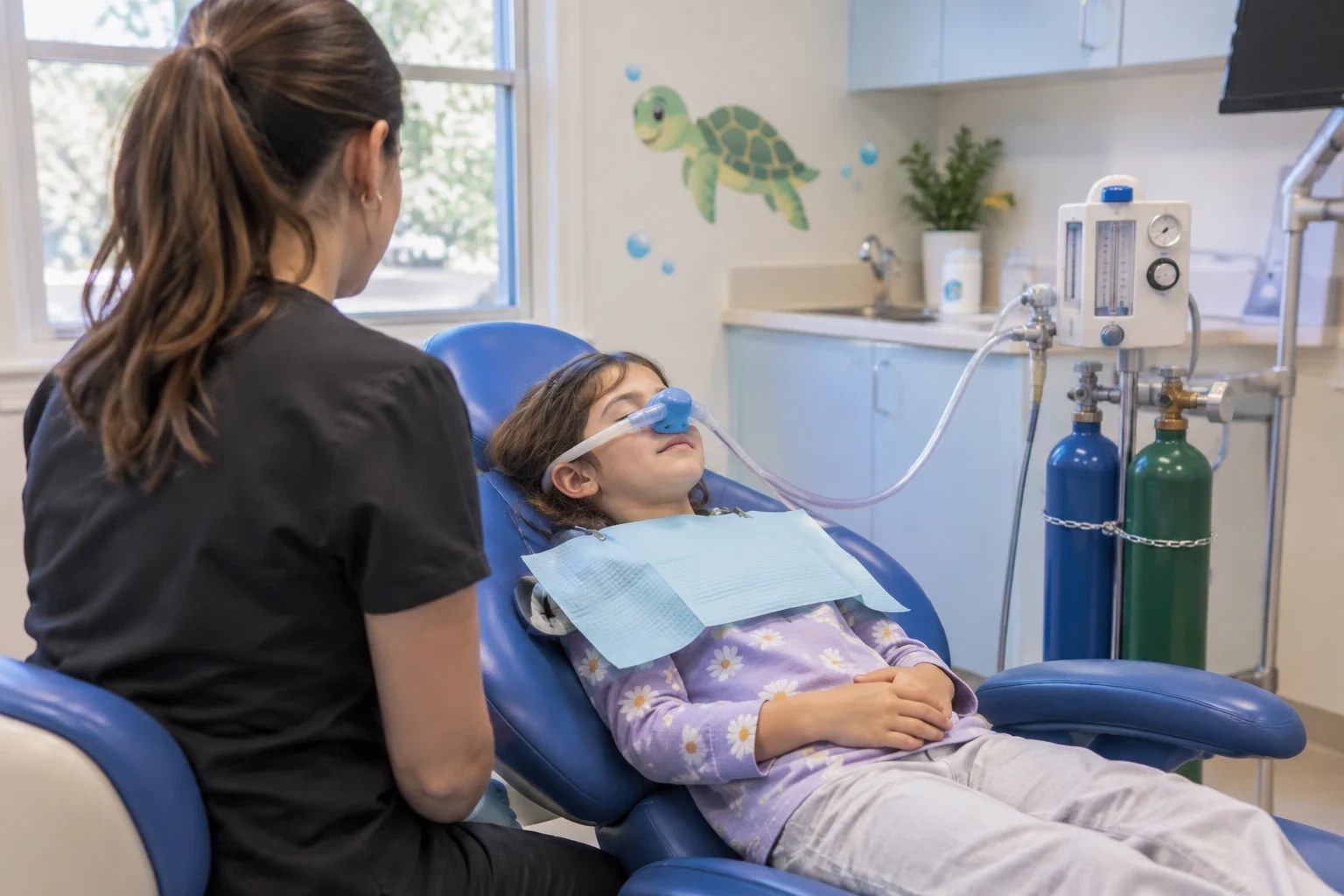
Many kids do fine with a slower pace, a tell-show-do walkthrough and a few breaks. Others need help. For those kids we usually start with nitrous oxide, often called laughing gas, and move to oral sedation only when the exam shows a longer or harder visit is needed.
The goal is simple. Your child gets the work done in fewer visits and leaves without a new fear of the dentist. We see families from Quincy and nearby towns like Braintree, Milton and Weymouth for this care.
What Sedation Care Includes
- A careful look before any plan
- We review your child's health history, current medicines, allergies, breathing and snoring. We also look at the teeth and take X-rays if needed, so we know exactly how much work there is.
- Nitrous oxide
- A light mix of nitrous oxide and oxygen through a small nose mask. Kids stay awake and can talk to us. It wears off within minutes once the mask comes off.
- Oral sedation
- A liquid medicine your child drinks at the office before treatment. It brings a deeper level of calm for longer visits. Your child will be drowsy and needs rest the rest of the day.
- Monitoring the whole time
- We watch breathing, oxygen level and heart rate throughout the visit. A team member stays with your child from start to finish.
- Written instructions for before and after
- You get clear rules on eating and drinking before the visit, and what to watch for at bedtime after it. We go over them with you by phone too.
Signs Your Child May Need Sedation
Panic that does not fade
Crying, kicking or refusing to open, visit after visit, even with patient coaching. Fear this strong can make careful work unsafe.
Several teeth need treatment
When a young child needs multiple fillings or pediatric crowns, doing it all in one calm visit is often easier than four tough ones.
A strong gag reflex
Some kids gag at X-ray film or a mirror on the back teeth. Nitrous oxide often settles this enough to get the work done.
Sensory or special needs
Bright lights, sounds and touch can be too much for some kids. Sedation can lower the overload so care is possible.
A hard past experience
If your child had a painful or scary visit before, a gentle sedated visit can help reset how they feel about the dentist.
What Affects the Cost of Sedation
What you pay comes down to the kind of sedation and how long your child is under it. We go over the costs with you before the visit, so nothing on the bill catches you off guard. Most insurance plans work with us, and you can pay by Visa, Discover or MasterCard or spread the cost out through a CareCredit patient payment plan.
Nitrous oxide or oral sedation
The two are priced differently. Oral sedation takes more prep beforehand and a longer stretch of monitoring after.
How much time the work takes
A longer visit means more time under sedation. Grouping several treatments into one visit can mean paying for sedation fewer times.
What your plan covers
Coverage for sedation varies widely between plans. Some pay for it for young kids or children with special needs, and some do not. We can help you look into it ahead of time.
The dental work done that day
Fillings, crowns or extractions are charged on their own, apart from the sedation.
How a Sedation Visit Goes
- 1
Consult and exam
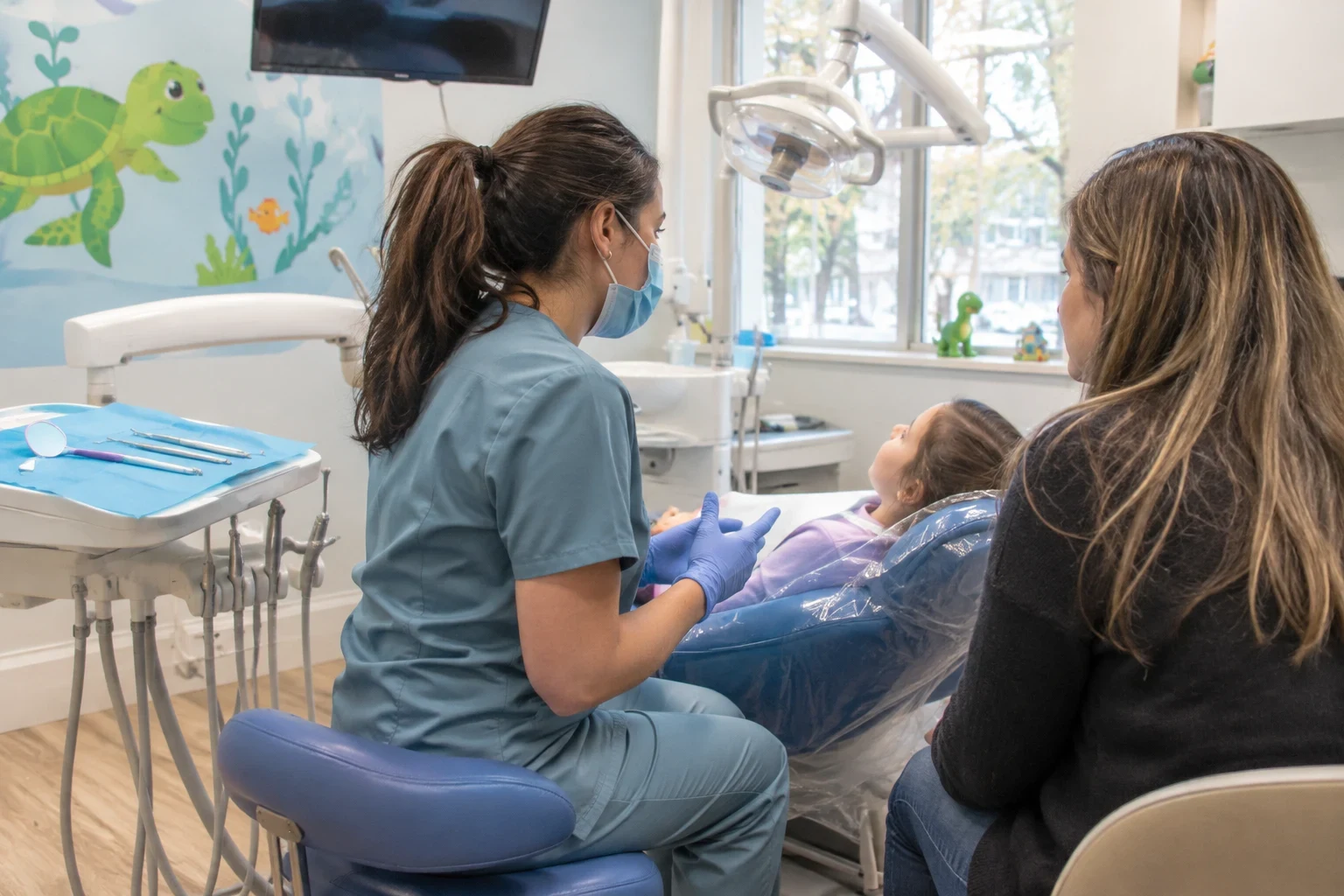
We meet your child, check the teeth and talk with you about what is driving the fear or the need. Then we tell you which level of sedation we suggest and why, or why we think your child can do without it.
- 2
Getting ready
We give you instructions on food and drink before the visit. Dress your child in loose, comfortable clothes and plan for a quiet day afterward.
- 3
Treatment day
A parent or caregiver stays at the office. We give the sedation, wait for it to take effect, then do the planned work while monitoring your child the whole time.
- 4
Recovery and going home
We keep your child with us until they are alert enough to leave. You go home with written aftercare notes, and we follow up to see how the evening went.
Sedation Dentistry Questions from Parents
Will my child be asleep?
With nitrous oxide, no. Your child stays awake, relaxed and able to answer us. With oral sedation, kids get very drowsy and may doze, but it is not the same as being put fully under.
Is sedation safe for young kids?
Every medicine has some risk, so we take it seriously. We review health history first, use the lightest level that will work and monitor breathing and oxygen the whole time. If something in the history concerns us, we will tell you plainly.
Can I stay with my child?
Yes, a parent or caregiver stays at the office for the whole visit. For nitrous oxide, many parents sit right in the room. We will talk through what works best for your child.
How will my child feel afterward?
After nitrous oxide, most kids feel normal within minutes and can go back to their day. After oral sedation, expect sleepiness and some wobbly walking for a few hours. Plan on a quiet afternoon with an adult close by.
Does my child need sedation for a cleaning?
Usually not. Most kids handle exams and cleanings fine with a gentle pace and a little coaching. We save sedation for treatment where the time, fear or gag reflex makes it truly needed.
Let's Find What Works for Your Child
Tell us what past visits have been like. We will set up an exam, figure out what is behind the trouble and tell you honestly if sedation makes sense.